
Independent evidence for reporting and sourcing
Assurance requirements are moving from limited towards reasonable. EUDR requires plot-level geolocation from 30 December 2026. Buyers and lenders increasingly ask for evidence a third party produced.
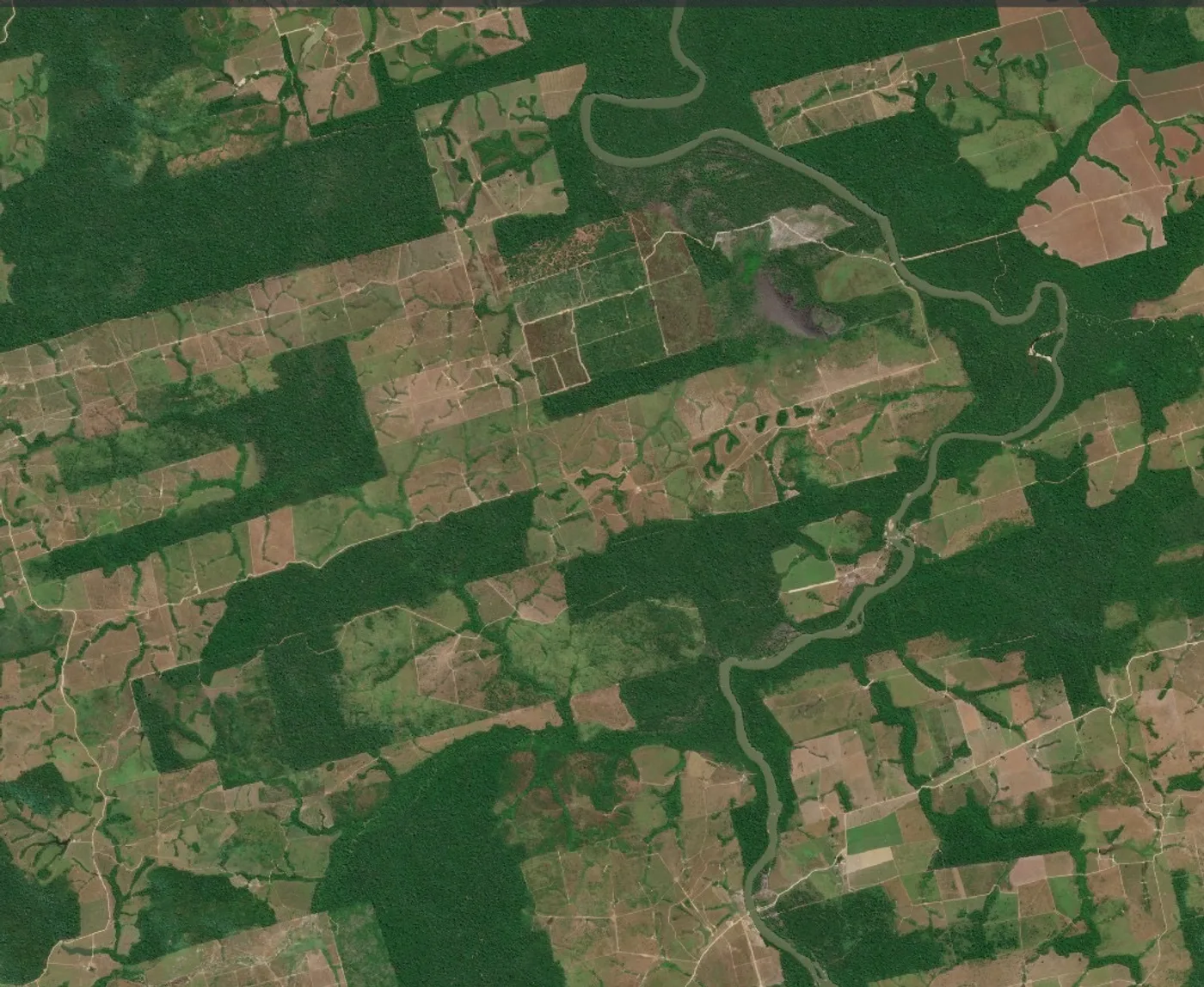
Cleared forest, July 2026
What we doTwo service areas
One covers ground you control and have made commitments about. The other covers ground you do not control but are answerable for.
Environmental reporting
Independent evidence against a stated commitment.
- Land-use and footprint change
- Restoration and re-vegetation against plan
- Ground stability and subsidence
- Surface-water quality
Supply chain due diligence
Where the material came from, and whether that ground was cleared.
- Plot geolocation to specification
- Deforestation screening against a fixed baseline
- Risk-flag register per plot
- Effluent detection at supplier sites
- Submission-ready evidence pack
Independent site monitoring
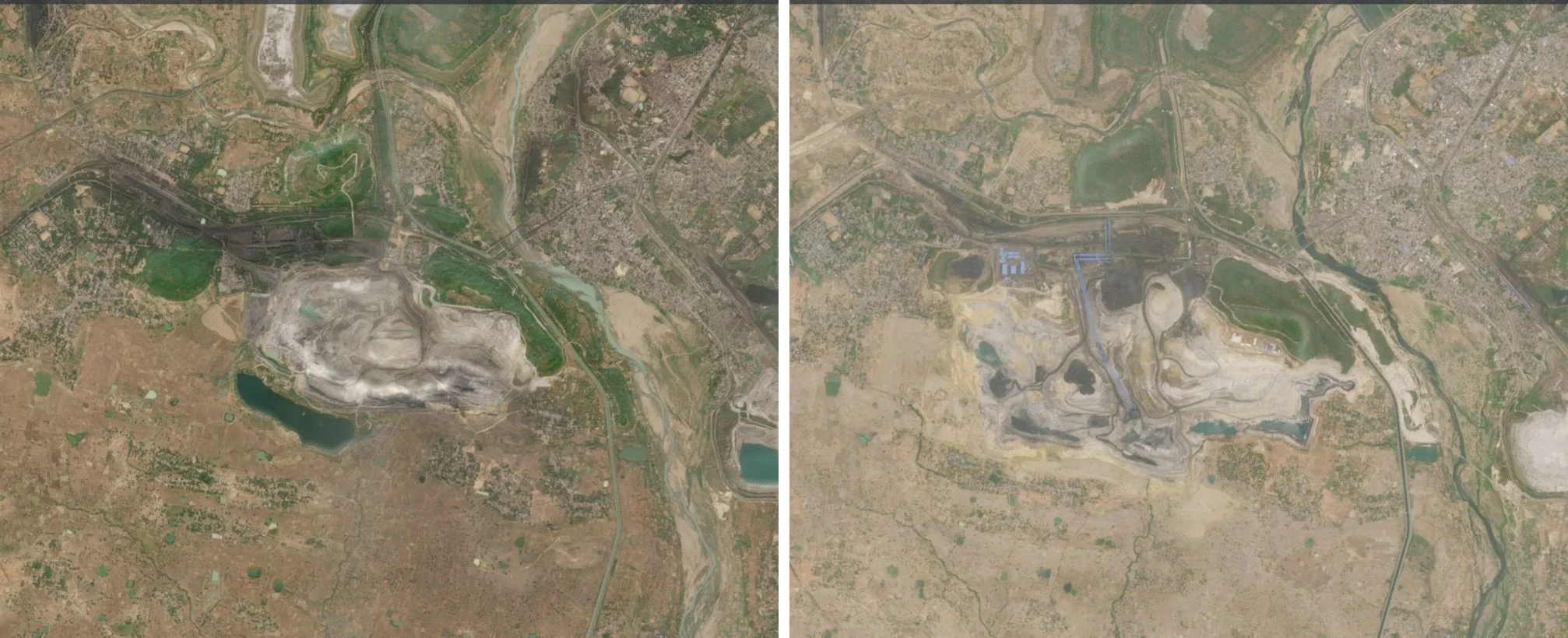
Footprint, restoration, water and ground level, measured at the site and around it. Dated, mapped, and tracked against a fixed baseline, without operator involvement.
- What is on the ground?
- What has changed?
- Will it hold up?
EUDR compliance data
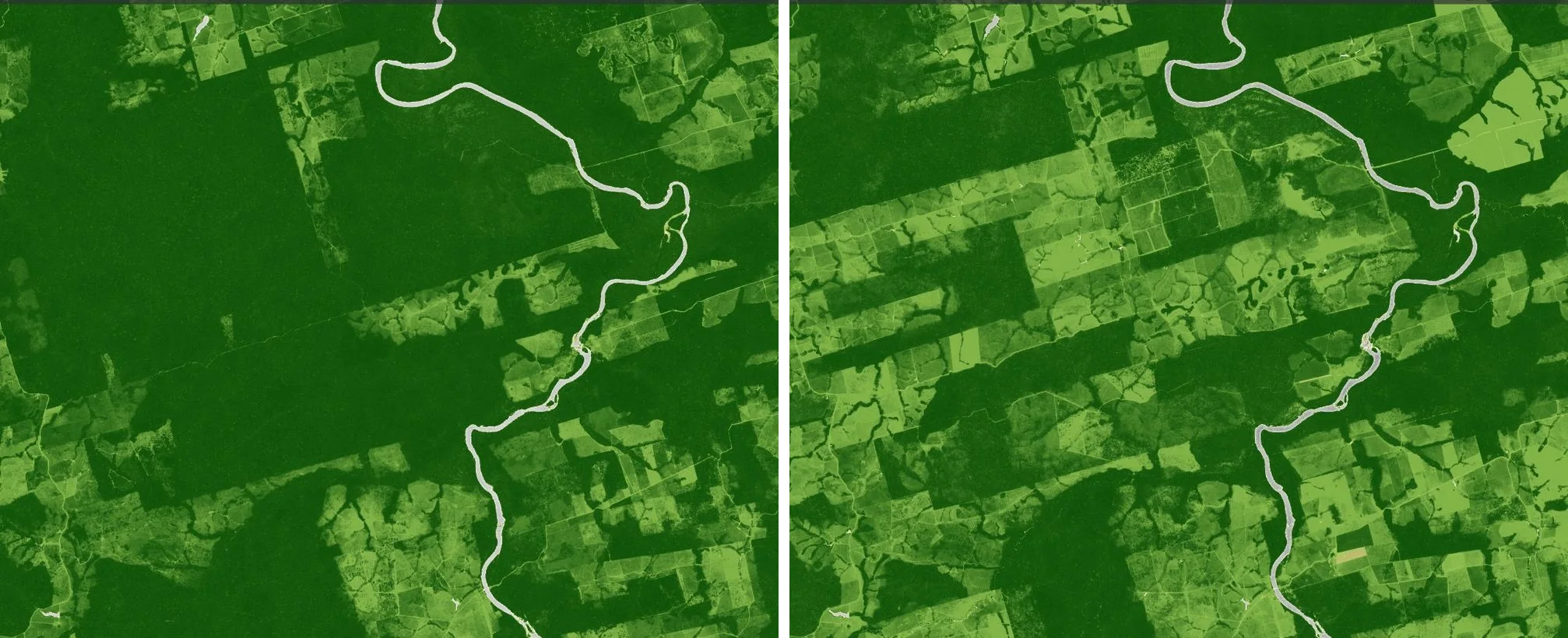
From 30 December 2026, cocoa, coffee, rubber, soy, palm, timber and cattle placed on the EU market need compliant geolocation behind every Due Diligence Statement. The shipment paperwork is rarely the constraint. The plot data is.
- Can the plots be located?
- Is any of it exposed?
- Will it survive challenge?
Three levels, and where an engagement stops
Where an engagement starts depends on what can already be measured. Where it stops depends on who has to accept the answer. An internal number needs the first level. Something an auditor or a regulator will test needs all three.
Establish
Locate the plot, site or asset and measure it from orbit. Boundary, extent, land cover and condition, to a stated accuracy.
Monitor
The same measurement on a fixed cycle against a fixed baseline, so a change is a change and not a difference in method.
Evidence
Delivered with the methodology and the QA record, produced independently of the operator, and tied to the obligation it answers.
What we do, and what stays with you
We produce and screen the evidence
Geolocation, screening, monitoring, and the methodology and QA record that go with them.
You keep the legal filing
You submit the Due Diligence Statement or the disclosure, and you sign it. We do not file on your behalf.
Data is handled as a processor
Your supplier and plot data stays yours. A data processing agreement is available.
Accuracy is stated with the output
Every output carries the accuracy it was produced at, and where that accuracy stops being sufficient.
Satellite monitoring and environmental verification for mines
A capability note as a client receives it: footprint traced year on year, excavated volume, ground deformation, automated boundary checks, and restoration measured against what was committed. Including what free data can and cannot do.
What brought you here?
The answer usually decides the scope.
A regulation
EUDR, CSRD, or a local clearance condition.
Request a proposalA customer
A buyer asking for evidence that is not currently produced.
Request a proposalAn investor or lender
Diligence, or a condition attached to financing.
Request a proposalInternal
Establishing the position before it is asked for.
Request a proposalHow your data is handled
Ownership, storage, the processor position, and the standards we operate to.